Travel Risk Intelligence
Stay updated on global events that could impact your travel plans with timely alerts

Middle East Security Crisis Triggers Widespread Travel Disruption: 28 February 2026
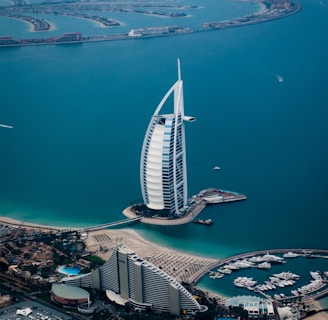
On Saturday 28 Feb 2026, the United States and Israel launched extensive airstrikes on multiple targets in Iran, including sites linked to Supreme Leader Ayatollah Ali Khamenei, whom U.S. officials say was killed in the operation (reports vary). In retaliation, Iran launched widespread missile and drone attacks across the Middle East, striking U.S. military positions and triggering explosions in the UAE, Qatar, Bahrain and other Gulf states.
Travel Advice: Expect significant aviation disruptions and flight cancellations, reroutes, and temporary airspace closures are ongoing. Delays are likely to persist as the situation evolves. Travelers already in the region should stay updated and contact their nearest embassy for tailored guidance as the situation is likely to intensify.
Southeast Asia Human Trafficking Warning: 1 May 2026
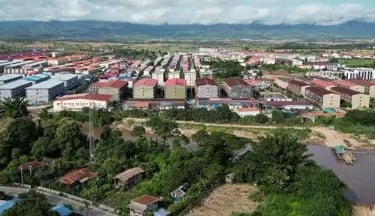
Criminal networks across Southeast Asia are luring travelers to Thailand or Cambodia with fraudulent job offers, before transporting them to remote border regions of Myanmar where government control is limited. Victims are often forced to work in organized online scam operations under conditions of confinement and coercion, with little opportunity to escape.
Travel Advice: All travellers should treat unsolicited job offers involving relocation to Southeast Asia with extreme scepticism. Chinese nationals are advised to exercise heightened caution, as they have been disproportionately targeted. While the Chinese Government has stepped up efforts to address these threats, risks remain ongoing due to the active conflict in Myanmar and the inability of authorities to fully police affected border areas. Verify all employment arrangements through official channels before travel, and register your itinerary with your nearest embassy or consulate.
Travel risk intelligence published on this page is based on open-source reporting, government advisories, and professional analysis at the time of writing. Situations can evolve rapidly and information may not reflect the most current developments on the ground.
These updates are intended to support general awareness and informed decision making. They do not constitute professional security advice for specific travel itineraries or operational planning. World Safe Travelers accepts no liability for actions taken based on information published here. For tailored advice specific to your situation, please get in touch.
Middle East Conflict: Global Commodity Pressures and Downstream Instability: 20 May 2026
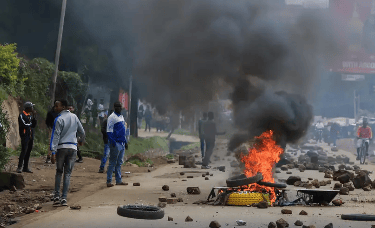
The unresolved conflict across the Middle East continues to disrupt oil, gas, and key commodity flows through critical shipping corridors including the Strait of Hormuz and the Red Sea. Supply shocks are contributing to rising energy and food prices across parts of Africa, South Asia, and Southeast Asia, with economic pressure in several countries already translating into public unrest and political instability.
We assess these pressures are likely to continue in the short to medium term even if the conflict is ultimately resolved. Disrupted supply chains tend to take months to normalize and damaged infrastructure longer still, meaning downstream effects on commodity prices and stability in vulnerable regions will not ease quickly.
Travel Advice: Travelers in economically vulnerable regions should factor supply driven instability into their risk assessments. Demonstrations linked to fuel and food prices can escalate quickly and neutral travelers can still be caught up in unrest. Monitor local news and government advisories, maintain flexible travel arrangements, avoid large public gatherings, and ensure a trusted contact has visibility of your itinerary. Organizations deploying staff to affected regions should regularly review their contingency and evacuation plans.